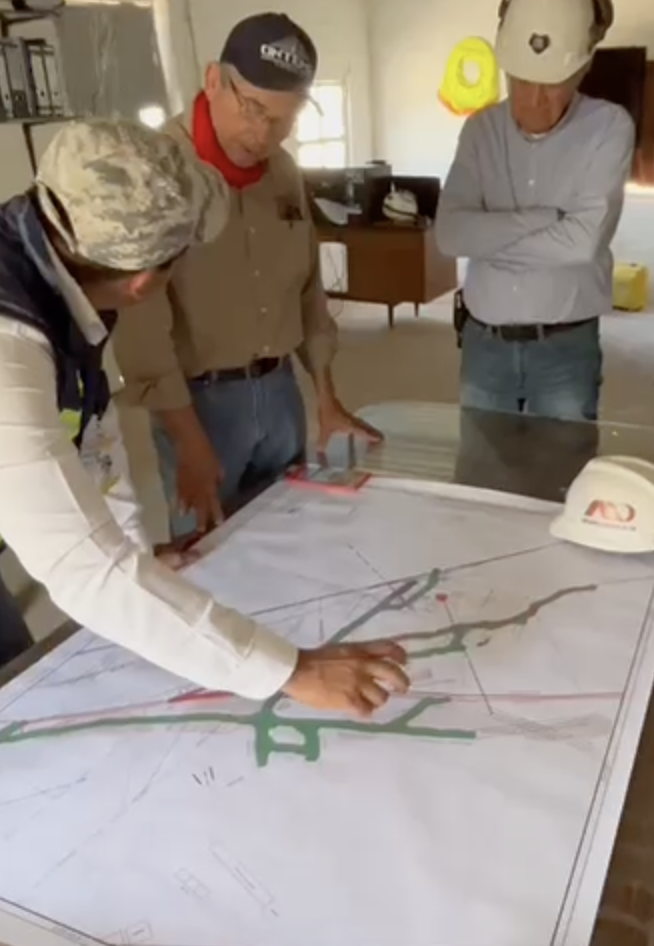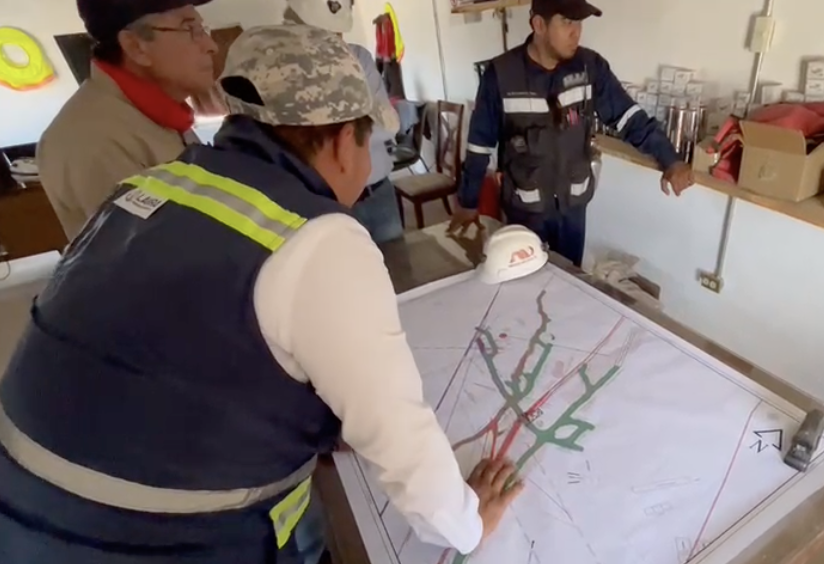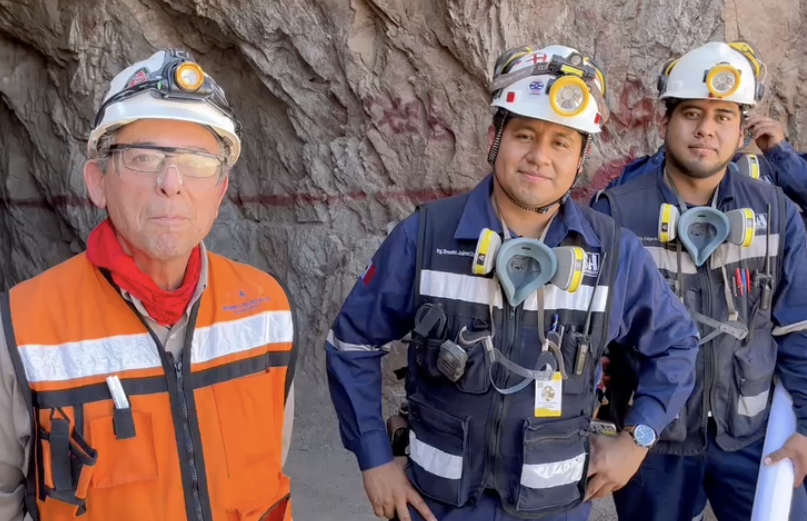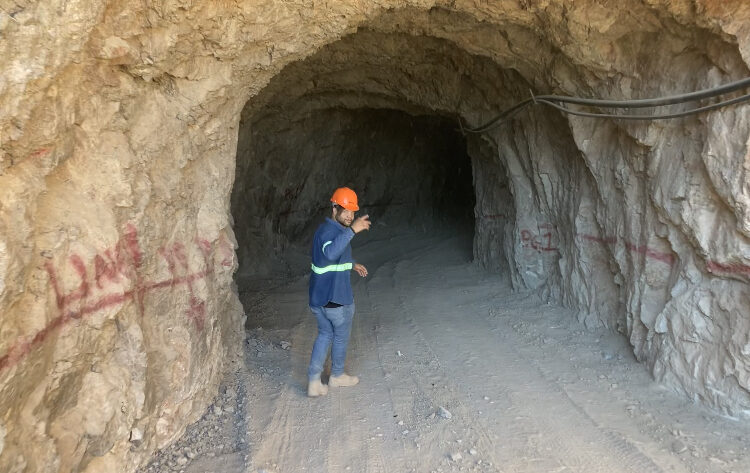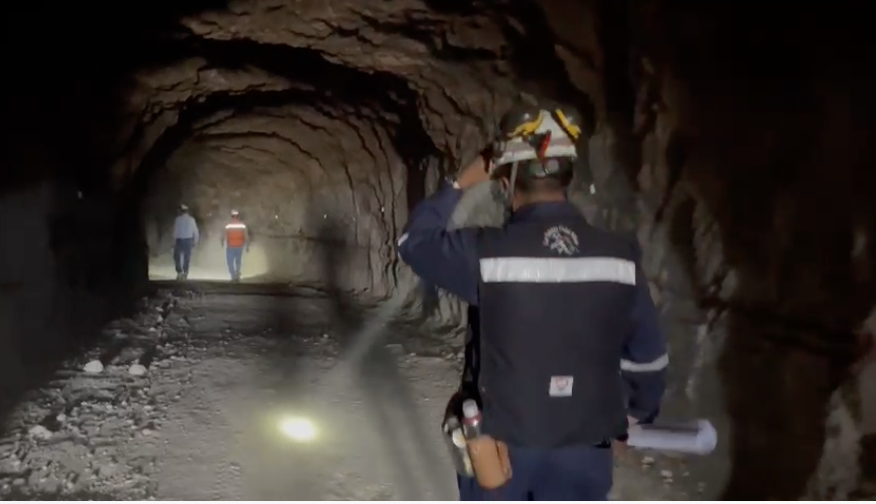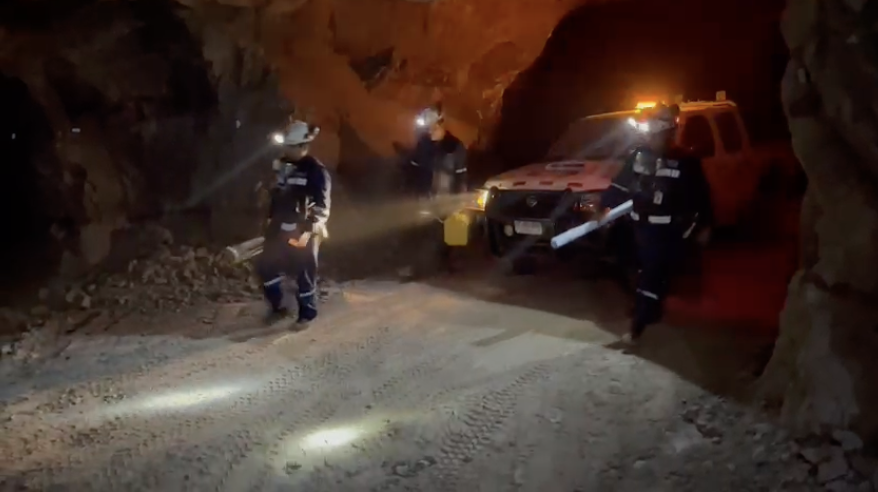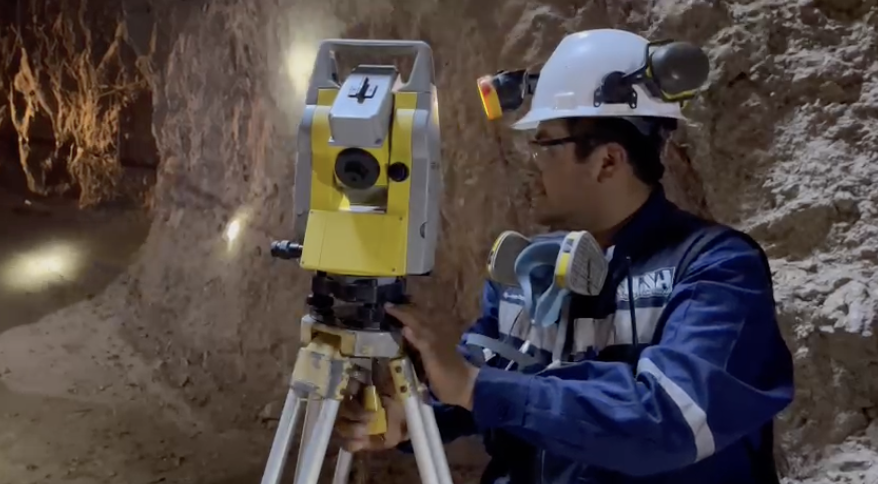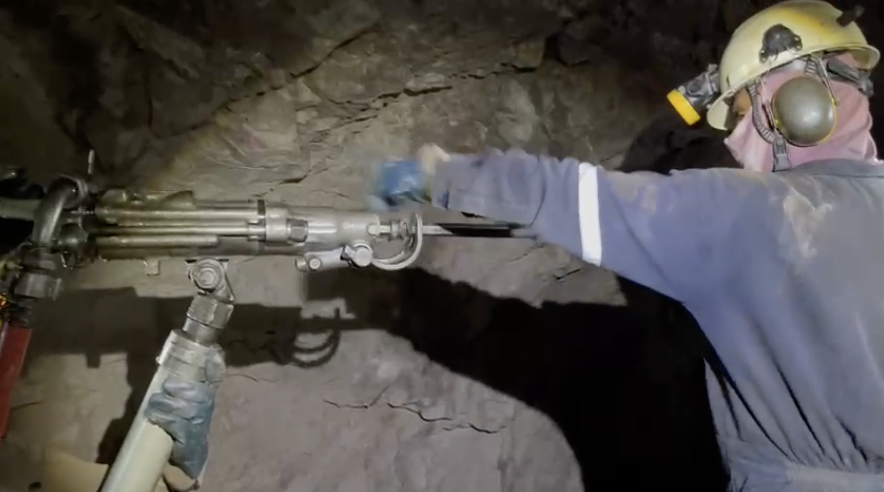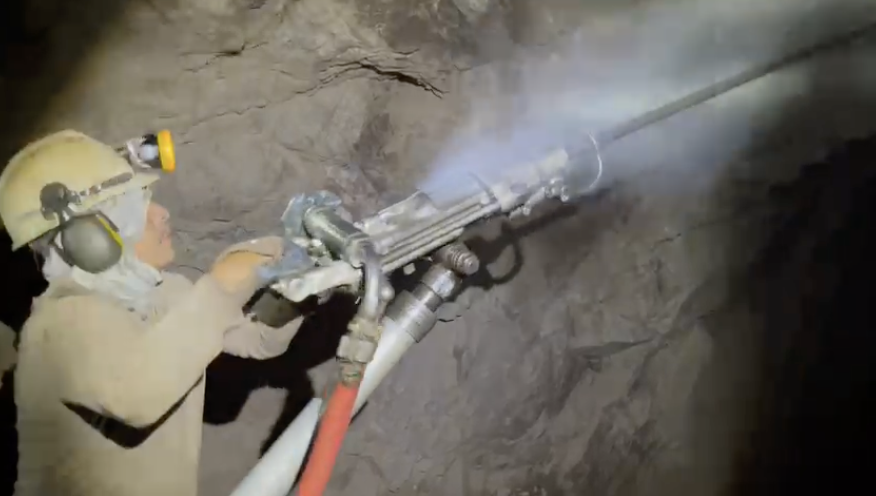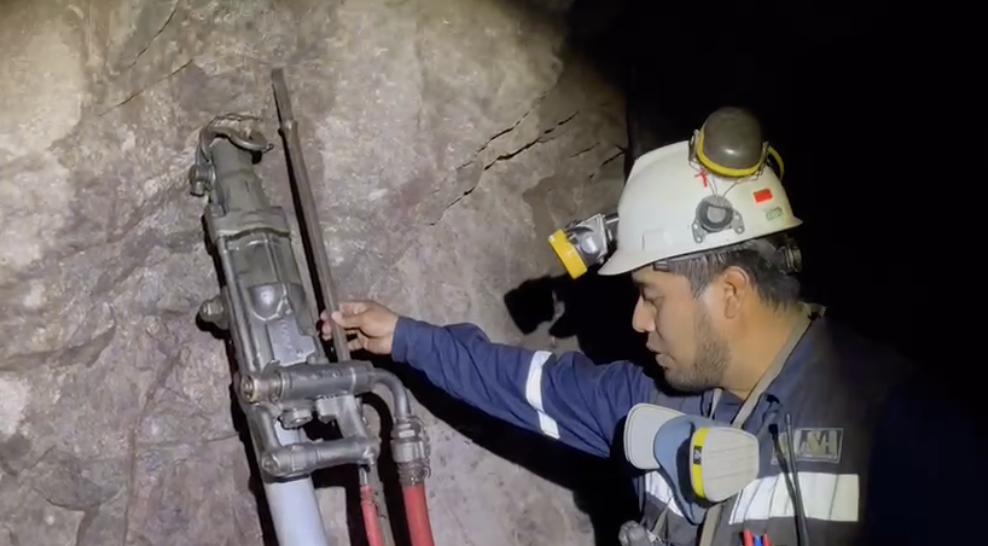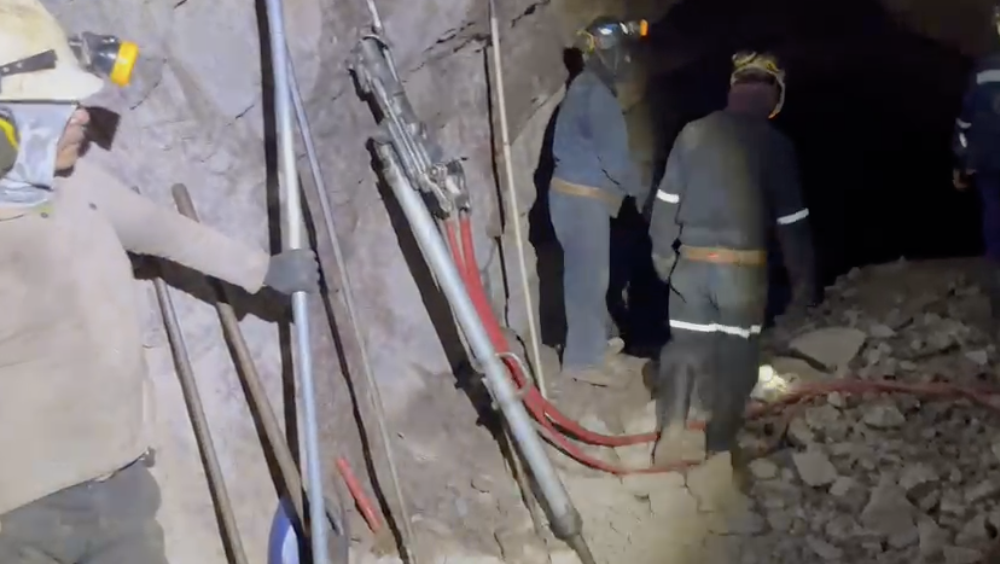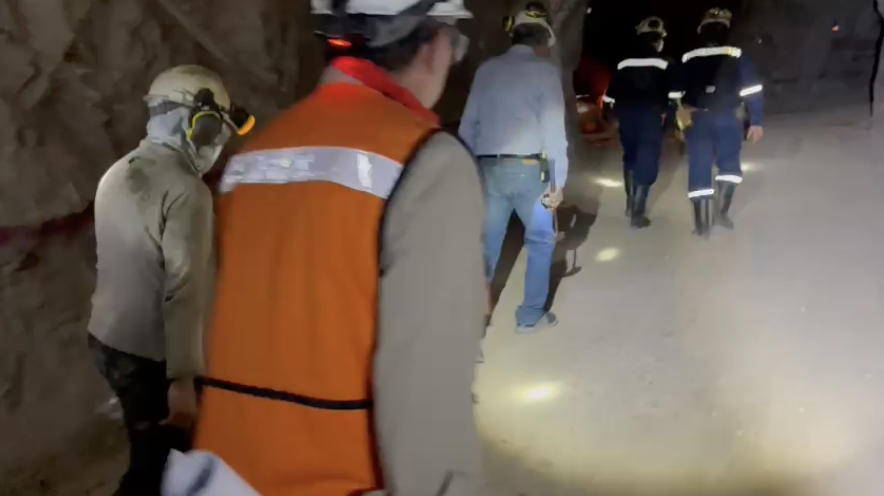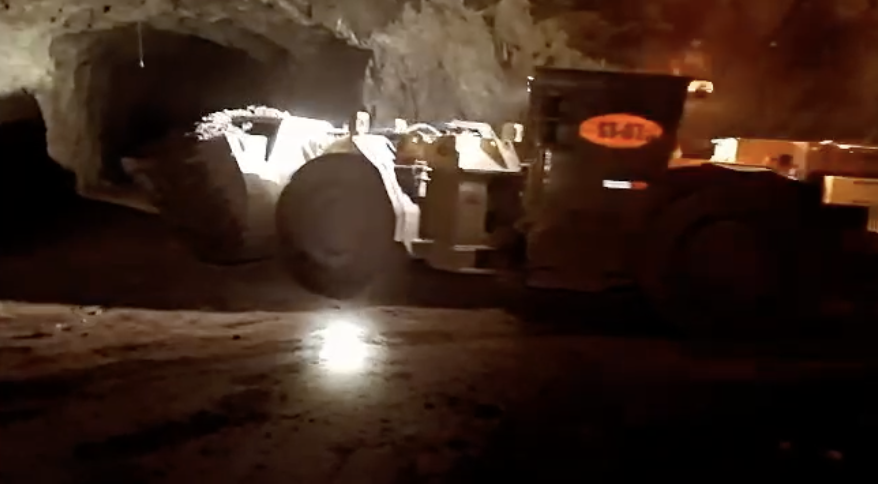
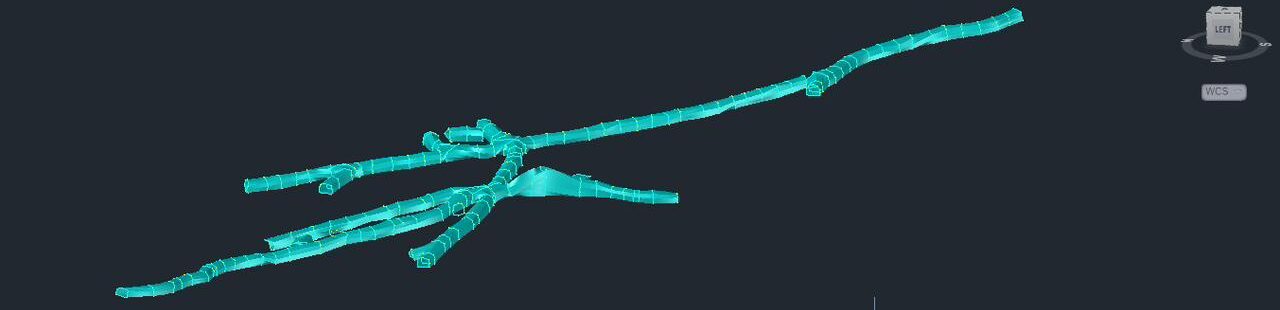
The El Rubi Area of the La Sabina Mine is the area that has been most exploited, starting in the early 1900’s, continuing all the way through 1975. Since 2020 we have slowly built this underground system to explore the vein in this area at depth. El Rubi holds the richest silver values we have found to date.
STAGE
Exploration
Resource
Gold/Silver
Hectares
254
Estimated Aisc
$982/oz
Proven & Probable Reserves
3.27Koz Au
Measured & Indicated Resource
251.9Koz Au
Inferred Resource
49.7Koz Au
Location
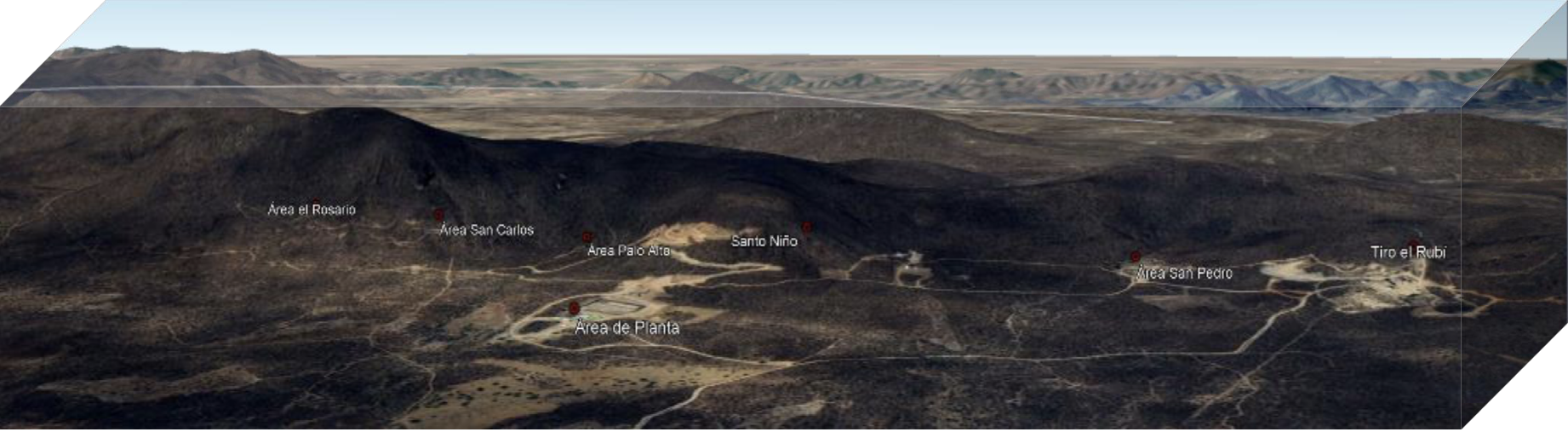
The La Sabina mine is located in the municipality of Quiriego, which has approximately 3,000 residents as of 2020. The La Sabina mine currently employs approximately 50 people. The La Sabina mine sits on over 3,000 hectares of land in this region and has the potential to be a multi-million ounce deposit.
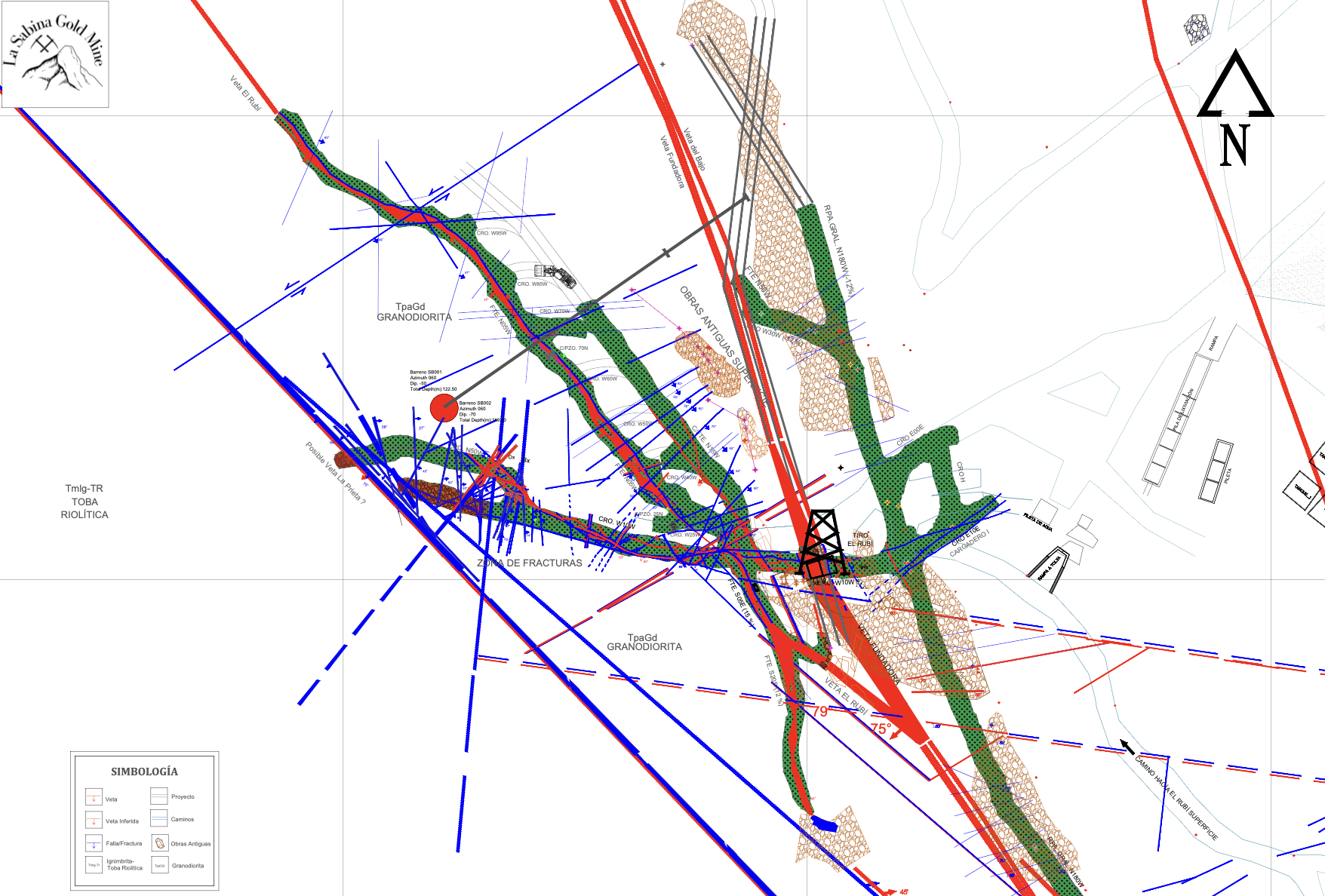
The El Rubi area is located in the south east corner of the mine. The major vein structure extends 3.5 km from the NW to the SE can continues beyond the mine claim. This area represents some 0.8km of that trend.
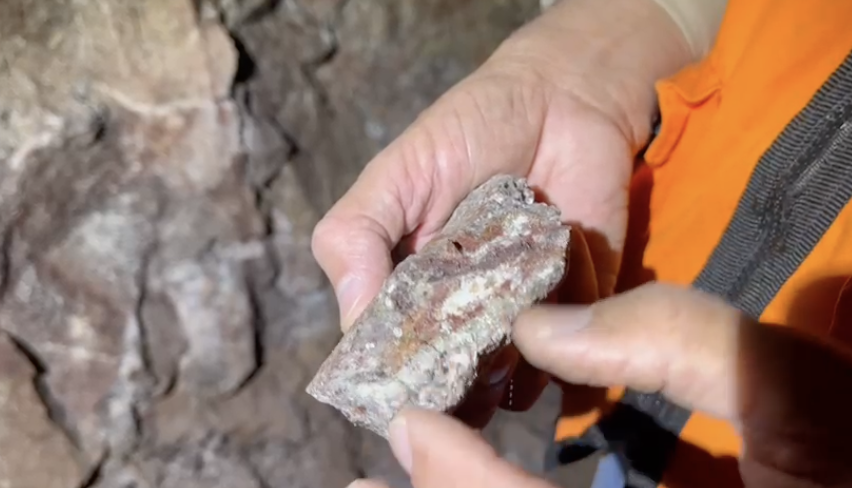
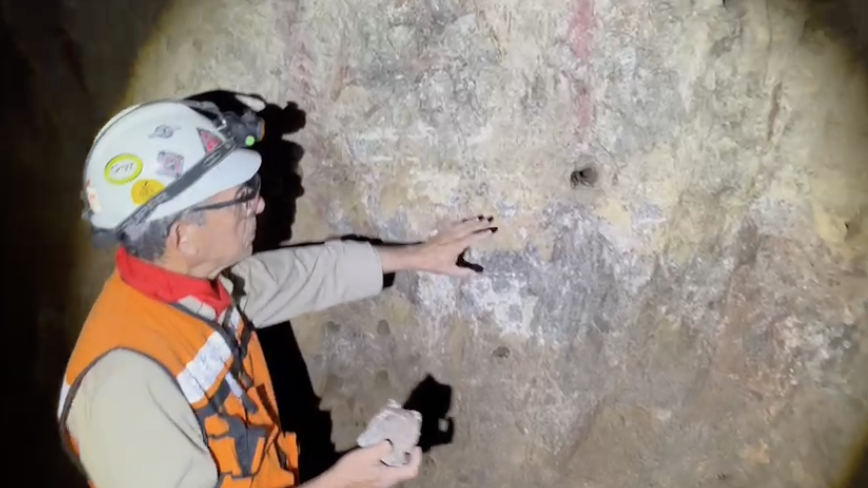
Geology, Mineralization, Ore Types
Regional Geology
The La Sabina deposit is located within the western part of the Sierra Madre Occidental volcanic pile. The oldest rocks in the area are Triassic sedimentary rocks represented by carbonaceous shales, sandstones and slates of the Barranca Formation. Overlaying in discordance, there are Upper Jurassic schist and phyllites. Also in discordance there are Upper Cretaceous volcanic rocks represented by andesitic flows and agglomerates, which composition is dacitic-andesitic.
All these rocks are affected by Upper Cretaceous-Lower Tertiary intrusive rocks, which composition varies from granodiorite to diorite to quartz monzonite. The younger rocks in the area that also cover in discordance the oldest sequence are Middle and Upper-Tertiary rhyolitic and andesitic flows, tuffs and agglomerates.
Local Geology
In the area of the project the main outcrop is a granodioritic intrusive with equigranular texture, medium to fine grain, which is emplaced in the upper Cretaceous intermediate volcanic rocks. Younger andesitic porphyry stocks are affecting the Upper Cretaceous rocks as well.
Scarce outcrops in the form of roof-pendants are observed in the northwestern part of the area. They consist in sandstone and slate of the Barranca Formation.
Overlaying in discordance, there are polymictic conglomerates and post-mineralization felsic volcanic rocks.
Structure
Coming Soon.
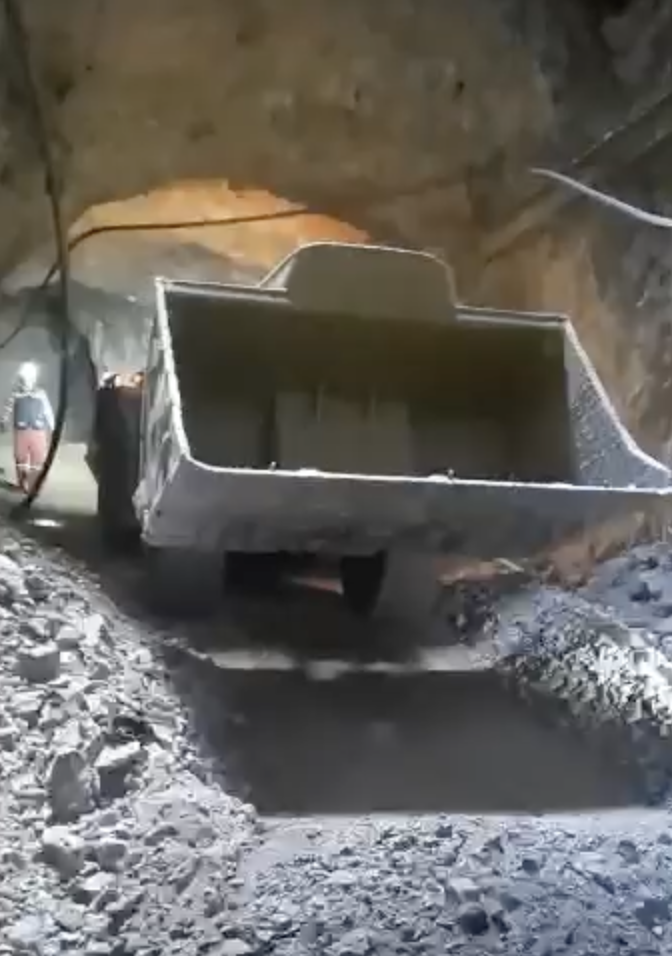
Photo Gallery
Photos from around the underground of El Rubi